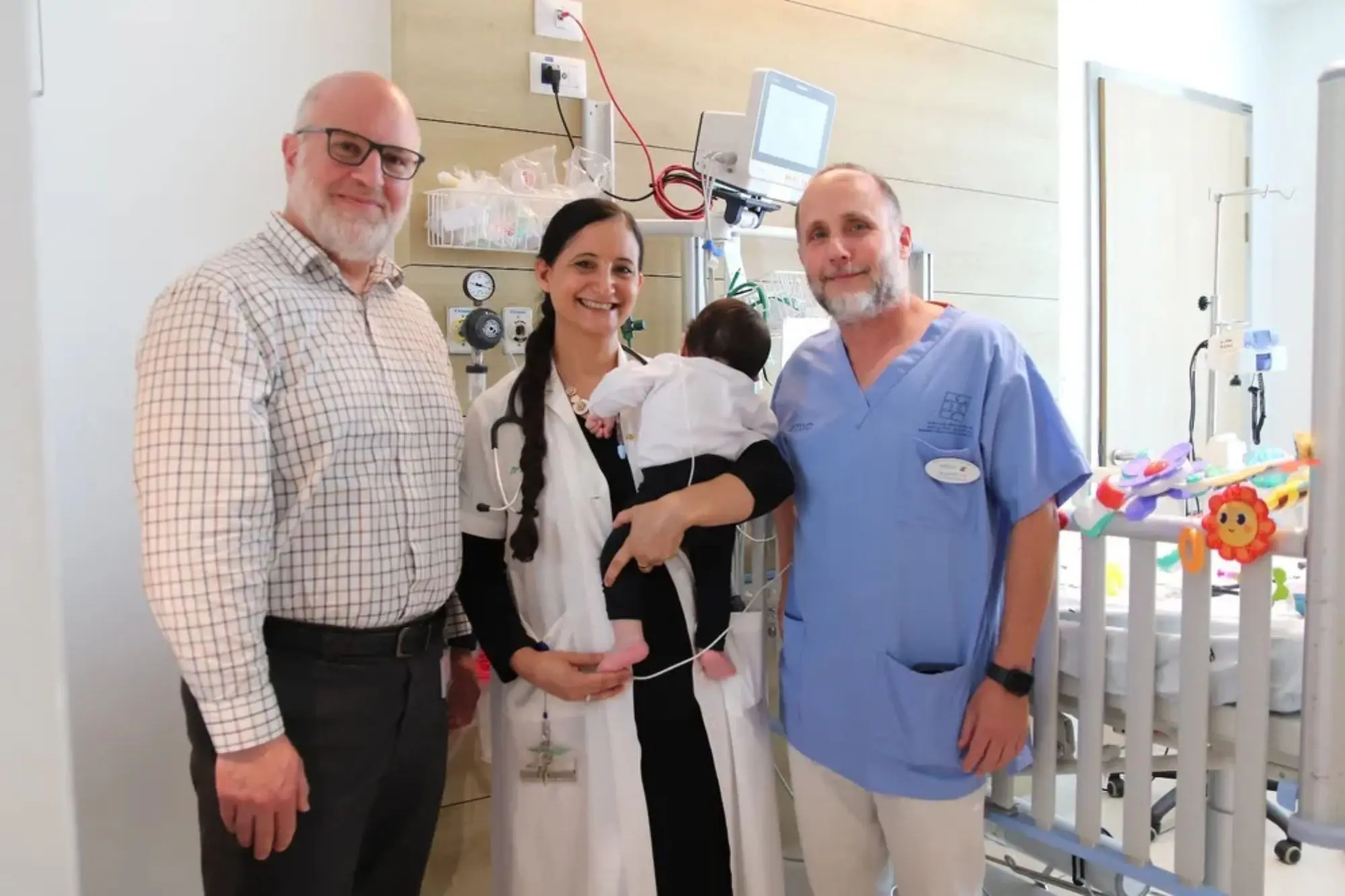

An eight-month-old infant with a rare and severe epilepsy syndrome has been treated following an experimental gene replacement therapy in a landmark medical case.
The child is among the first in the world to receive gene replacement therapy designed to restore the function of a key gene involved in nervous system development.
The treatment was delivered through a precise neurosurgical procedure that injected a functioning copy of the missing gene directly into the infant’s brain.

A child with a rare and severe form of epilepsy has become one of the first in the world to receive gene replacement therapy targeting the underlying genetic cause of his condition.
Although he appeared healthy at birth, the boy began experiencing severe epileptic seizures at just six weeks old, alongside rapid developmental regression.
Genetic testing later identified an inherited mutation in the WWOX gene, which led to WOREE syndrome (WWOX-related epileptic encephalopathy) — a rare neurological disorder associated with drug-resistant epilepsy, severe developmental impairment, and a high risk of early death.
Treating the condition required an international collaboration involving scientists, clinicians, and biotechnology experts at Clalit–Schneider Children’s Medical Center in Israel. The intervention also required regulatory approvals across multiple countries, as well as carefully tailored dosing designed specifically for an infant patient.
Professor Rami I. Aqeilan of the Hebrew University of Jerusalem, who originally studied the gene’s role in cancer, later discovered its critical importance in brain development and neurological function. This led him to pursue a therapeutic approach aimed at restoring the gene’s activity.
Preclinical research showed that a single administration of gene replacement therapy could restore WWOX function and improve seizures, growth, neurological deficits, and survival in animal models.