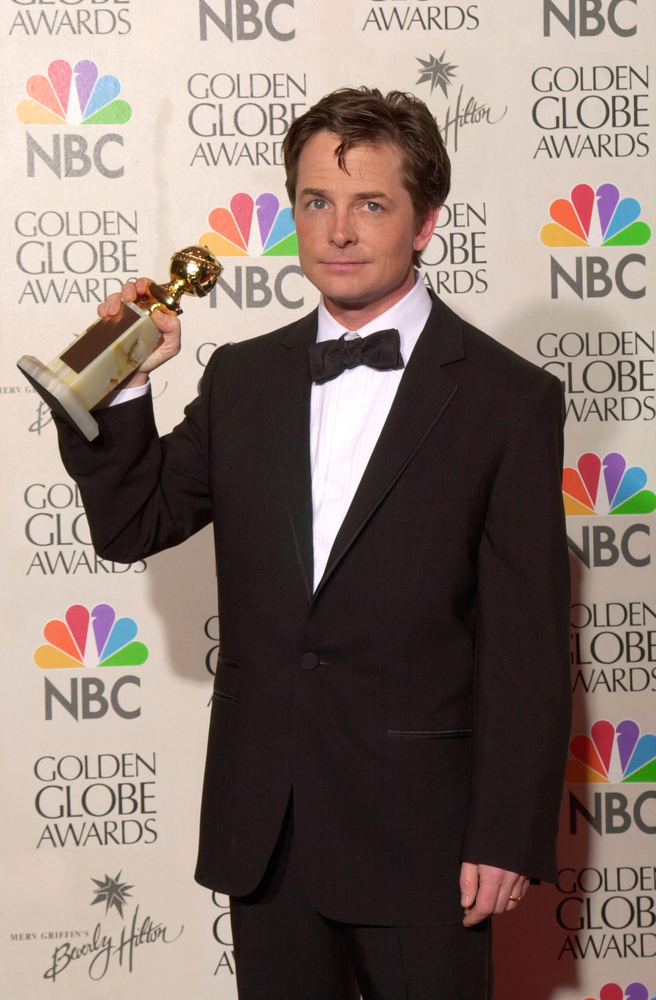

Earlier this year, the highly anticipated documentary chronicling the life of the beloved actor Michael J. Fox made its debut at the Sundance Film Festival in Park City. Produced by the Oscar-winning filmmaker Davis Guggenheim, the film revisits the journey of the actor who achieved fame in the 1980s with iconic roles in films like “Back to the Future” and TV series like “Family Ties.”
This remarkable documentary also received a special screening at the South by Southwest (SXSW) Film Festival in Austin, Texas, where Michael attended alongside his devoted wife, Tracy Pollen. During the Q&A session, he candidly shared his experiences living with Parkinson’s disease, a condition he was diagnosed with at the tender age of 29, shortly after his marriage to Tracy and the birth of their first child. Tracy has been unwavering in her support for her husband, standing by his side throughout their journey. Together, they are tirelessly dedicated to raising funds for Parkinson’s disease research. Michael first made his diagnosis public in 1998 and eventually stepped back from acting two years later due to the progression of his health.
Accepting the harsh reality of his condition was a profound and lengthy process for young Michael. Nevertheless, he ultimately resolved to make the most of his life despite the challenges imposed by the disease.

“My dedicated fans have essentially breathed life into me. I wanted to reciprocate the incredible support these people have given me with my time and heartfelt appreciation. It has been truly heartwarming to connect with all of you.”

Previously, the star of “Spin City” discussed his decision to continue working in the film industry after receiving his diagnosis, stating, “I have no regrets. You do what’s necessary, but you also have to prioritize your well-being. That’s when I made the decision to step back.”
In collaboration with his wife, Michael founded the Michael J. Fox Foundation, with the primary aim of advancing Parkinson’s disease research through financial support. Presently, the organization stands as the world’s largest non-profit contributor to Parkinson’s research. His unwavering commitment to assisting individuals afflicted by the same disease he battles himself earned him a place on Time Magazine’s 2007 list of 100 individuals “whose influence, talent, or moral example is reshaping the world.”
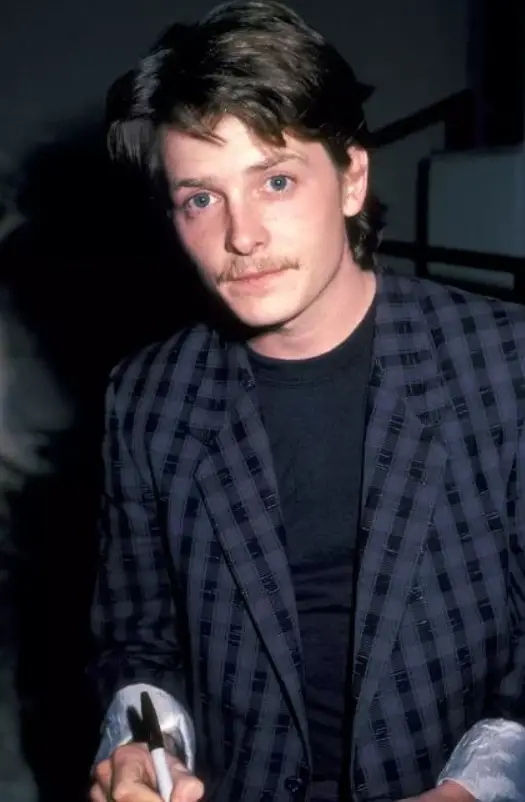
While he persisted in his acting career post-diagnosis, his primary focus shifted towards providing his voice for characters in movies such as “Stuart Little” and Disney’s “Atlantis: The Lost Empire.”
Additionally, the actor has authored four books: “Lucky Man: A Memoir” (2002), “Always Looking Up: The Adventures of an Incurable Optimist” (2009), “A Funny Thing Happened on the Way to the Future: Twists and Turns and Lessons Learned” (2010), and his most recent work, “No Time Like the Future,” which was published on November 17, 2021.
Recently, he once again shared insights into his life, candidly revealing that despite his persistent efforts to maintain a positive outlook on his condition, the challenges have been intensifying.
“I won’t sugarcoat it. It’s becoming increasingly difficult. Each day presents new challenges that are getting tougher to handle,” Fox conveyed during an interview with Jane Pauley, anchor of CBS Sunday Morning.
He further remarked, “Every day feels like an uphill battle, but, well, that’s just the way it is. I mean, who do I turn to for that?”
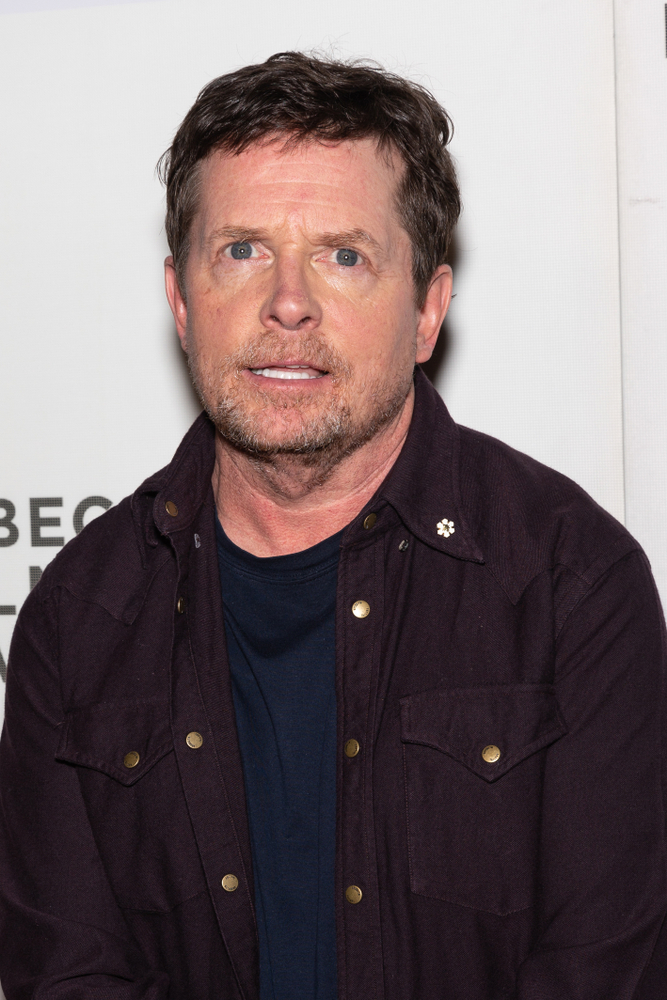
He also discussed the spinal cord surgery he had to undergo, recounting, “[I] fractured this arm, and I fractured this one, along with my elbow. I also had facial fractures and a broken hand,” Fox shared with Pauley.
Regarding his perspective on living with Parkinson’s, Fox remarked, “You don’t succumb to Parkinson’s; you live alongside it. I’ve been contemplating the concept of mortality… I won’t see my 80s. I won’t.”
Reflecting on the intense pain he experiences, the actor explained, “Each tremor feels like a seismic shock. It’s not just the pain from the movement but the agony of not being able to move. When you freeze, that non-movement gets charged with this relentless energy, and it becomes this burning, impending sensation that never manifests.”
He continued, “I’m not seeking sympathy here. I’ve endured fractures to my hand, elbow, humerus (both of them), shoulder, and even my face, among other things. All of these physical challenges are exacerbated by the electrical surges of tremors. So, yes, it’s excruciating. But what I’ve learned is that nobody cares. It’s just a part of life. You tough it out and carry on. Perhaps there’s a story to be told in it, but that’s all there is. There’s no receipt you can present to life’s customer service window for a refund.”


